Composting Wood Chippings UK
Learn how to compost wood chippings effectively in the UK. Expert tips on preparation, timing & benefits. Find local tree services today!
Chris

Composting Wood Chippings UK: The Complete Guide to Garden Gold
Wood chippings are one of nature's most valuable recycling success stories. When trees are felled, pruned, or removed by professional tree surgeons across the UK, the resulting timber doesn't need to end up in landfill. Instead, these organic materials can be transformed into nutrient-rich compost that will dramatically improve your garden soil. This comprehensive guide explores everything you need to know about composting wood chippings in the UK, from the science behind the process to practical tips for creating your own garden gold.
Understanding wood chipping composition is crucial for successful composting. Fresh wood contains high levels of carbon but relatively little nitrogen, creating what composting experts call a "brown" material. This high carbon-to-nitrogen ratio means that wood chippings alone will decompose very slowly, sometimes taking several years to break down completely. However, when properly managed and combined with nitrogen-rich "green" materials, wood chippings become an excellent composting ingredient that can transform your garden's soil health.

The Science Behind Composting Wood Chippings
The decomposition of wood chippings involves complex biological processes that transform lignin and cellulose into humus-rich compost. Microorganisms, including bacteria and fungi, break down the organic matter, releasing nutrients that plants can readily absorb. The key to successful wood chip composting lies in creating optimal conditions for these beneficial microbes.
Temperature management plays a vital role in the composting process. A well-constructed wood chip compost pile will generate internal temperatures between 40-70°C during the active phase. These elevated temperatures help accelerate decomposition whilst eliminating harmful pathogens and weed seeds that might be present in the original material.
Moisture content must be carefully monitored throughout the composting process. Wood chippings should feel like a wrung-out sponge - moist but not waterlogged. Too much moisture creates anaerobic conditions that produce unpleasant odours and slow decomposition, whilst insufficient moisture prevents microbial activity altogether.
Oxygen availability is equally important for successful aerobic decomposition. Regular turning of the compost pile introduces fresh air and prevents the development of anaerobic pockets. This aeration also helps distribute moisture evenly and maintains the optimal temperature range throughout the pile.
Types of Wood Suitable for Composting
Not all wood chippings are created equal when it comes to composting. Deciduous hardwoods such as oak, beech, and maple generally decompose more quickly than softwoods and create excellent compost. These species typically have lower lignin content and break down more readily when properly managed.
Coniferous softwoods like pine, fir, and spruce can still be composted successfully, though they may take longer to decompose due to their resinous nature. The natural acids and tannins in these materials can initially lower soil pH, but this effect neutralises as the composting process progresses.
Avoid composting wood from certain species that may be problematic. Black walnut contains juglone, a natural herbicide that can inhibit plant growth. Similarly, wood from diseased trees should be handled carefully - whilst high-temperature composting can eliminate many pathogens, it's often safer to dispose of obviously diseased material through council green waste collections.
Treated timber should never be added to compost piles. Wood that has been pressure-treated with chemicals, painted, or stained contains substances that could contaminate your compost and potentially harm plants or soil organisms. Always ensure you're working with clean, untreated wood chippings from natural sources.
Creating the Perfect Wood Chip Compost Mix
Successful wood chip composting requires balancing carbon-rich materials with nitrogen sources. The ideal carbon-to-nitrogen ratio for composting ranges from 25:1 to 30:1. Since fresh wood chippings can have carbon-to-nitrogen ratios as high as 500:1, you'll need to add substantial amounts of nitrogen-rich materials.
Excellent nitrogen sources include fresh grass clippings, kitchen scraps (vegetable peelings, coffee grounds, eggshells), and well-aged animal manure. Avoid adding meat, dairy, or cooked foods, which can attract pests and create odour problems.
Layer your materials effectively by alternating between carbon-rich wood chippings and nitrogen-rich additions. Start with a base layer of coarser wood chips for drainage, then alternate thin layers of chips with green materials. Each wood chip layer should be roughly 15-20cm thick, with nitrogen sources forming thinner layers of about 5-10cm.
Size matters when preparing wood chippings for composting. Smaller chips decompose faster than larger pieces, but extremely fine material can become compacted and restrict airflow. The ideal size ranges from 1-5cm in diameter. Many professional tree surgeons can adjust their chipping equipment to produce material in this optimal size range.
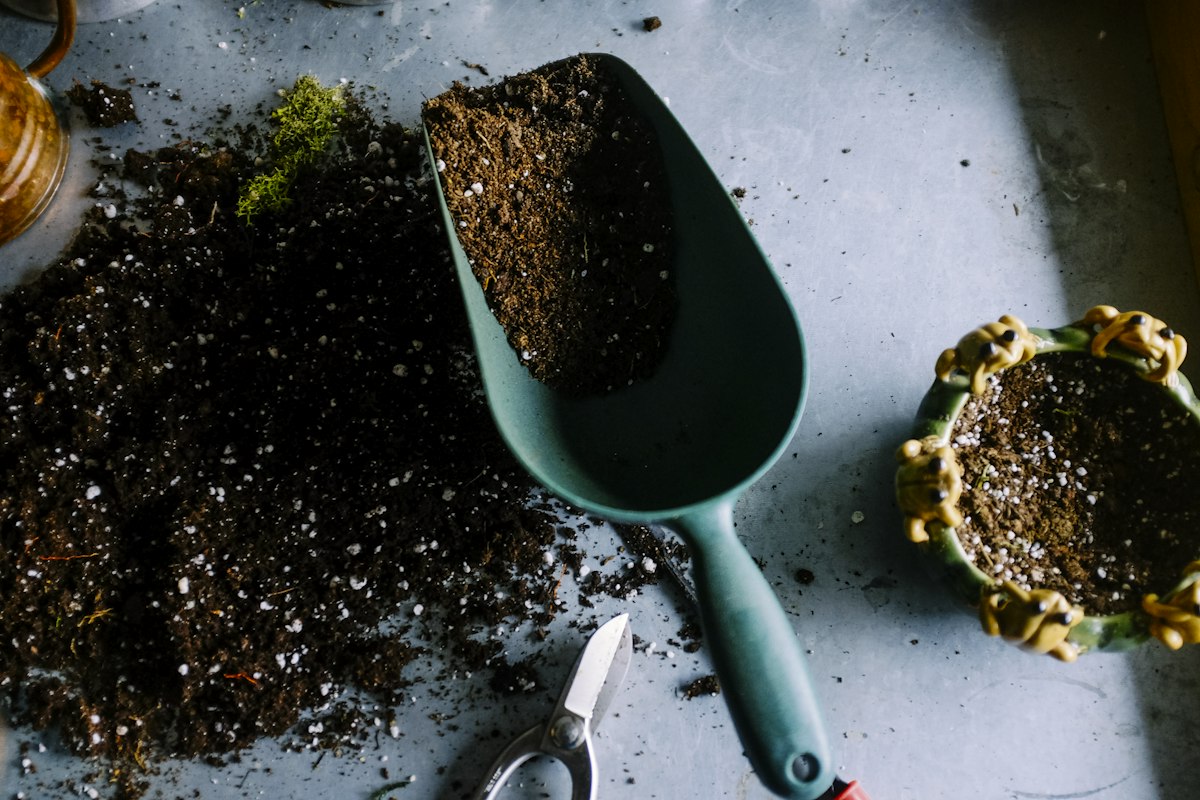
Managing Your Wood Chip Compost Pile
Location selection significantly impacts composting success. Choose a level area with good drainage that receives partial sun. The site should be easily accessible for turning the pile and adding new materials, but positioned away from windows to avoid any temporary odours during the initial composting phase.
Pile dimensions affect the composting process dramatically. Your compost pile should measure at least 1 metre in each dimension to generate sufficient internal heat for effective decomposition. Larger piles retain heat better but become more difficult to manage and turn regularly.
Turning frequency depends on your desired timeline and available effort. For faster composting, turn the pile every 2-3 weeks during the active phase. Less frequent turning (every 6-8 weeks) will still produce excellent compost but extends the overall timeline. Each turning session provides an opportunity to assess moisture levels and add water if necessary.
Monitoring progress involves observing both physical and thermal changes. During active composting, the pile's internal temperature should rise significantly within a few days. After several weeks, you'll notice the original wood chips becoming darker and more crumbly. The finished compost will be dark brown, smell earthy, and have a crumbly texture.
Timeline and Seasonal Considerations
Wood chip composting timelines vary considerably based on management intensity and environmental conditions. With regular turning and optimal conditions, you can expect usable compost in 6-12 months. Passive composting approaches may require 18-24 months for complete decomposition.
Spring represents the ideal time to start new wood chip compost piles in the UK. Rising temperatures and increased rainfall create optimal conditions for microbial activity. Fresh grass clippings and garden waste are also readily available to provide necessary nitrogen sources.
Summer management requires attention to moisture levels, as high temperatures can dry out compost piles quickly. Regular watering may be necessary during extended dry periods. The increased biological activity during warm weather accelerates decomposition significantly.
Autumn provides another excellent opportunity for wood chip composting, particularly as deciduous trees drop their leaves. These fallen leaves can serve as additional carbon sources, whilst the cooler temperatures prevent rapid moisture loss from compost piles.
Winter composting continues at a slower pace due to reduced microbial activity in cold temperatures. However, the composting process doesn't stop entirely, and spring will bring renewed activity to well-constructed piles.
Cost Analysis and Economic Benefits
| Composting Method | Initial Setup Cost | Annual Maintenance | Compost Yield (per tonne of chips) | Economic Benefit |
|---|---|---|---|---|
| DIY Basic Pile | £0-50 | £20-40 | 300-400kg | £150-200 saved |
| Compost Bins | £100-300 | £30-60 | 350-450kg | £175-225 saved |
| Tumbler System | £200-500 | £40-80 | 400-500kg | £200-250 saved |
| Professional Service | £300-800 | £100-200 | 450-600kg | £225-300 saved |
The economic advantages of composting wood chippings extend beyond the obvious cost savings on purchased compost and soil improvers. Homemade compost reduces the need for chemical fertilisers, which can cost £100-200 annually for an average garden. Additionally, improved soil structure from regular compost application reduces water requirements and plant replacement costs.
Environmental benefits provide indirect economic value through reduced waste disposal costs and carbon footprint reduction. The UK government's increasing focus on waste reduction and environmental responsibility may lead to future incentives for home composting initiatives.
Troubleshooting Common Problems
Slow decomposition often results from insufficient nitrogen or inadequate moisture management. Adding fresh grass clippings, kitchen scraps, or diluted liquid fertiliser can jumpstart stalled compost piles. Ensure the pile maintains consistent moisture levels throughout.
Unpleasant odours typically indicate anaerobic conditions caused by excessive moisture or insufficient aeration. Turn the pile immediately and add dry carbon materials like shredded paper or dry leaves. Proper pile construction with adequate drainage prevents most odour problems.
Pest problems can arise if inappropriate materials are added to the compost pile. Avoid adding cooked foods, meat, or dairy products that attract rodents. If pests become problematic, consider using a closed bin system or relocating the pile away from the house.
Temperature issues may prevent proper composting. If the pile fails to heat up, check the carbon-to-nitrogen ratio and add more nitrogen sources. Conversely, excessive temperatures (above 70°C) can kill beneficial microorganisms and should be addressed by turning the pile and adding moisture.
Using Finished Wood Chip Compost
Finished wood chip compost serves multiple garden applications. As a soil amendment, incorporate 5-10cm of compost into vegetable beds and flower borders annually. This practice dramatically improves soil structure, water retention, and nutrient availability for plants.
Mulching applications benefit from partially composted wood chips. Apply a 5-7cm layer around trees, shrubs, and perennial plants, keeping mulch away from plant stems to prevent rot. This mulch suppresses weeds, retains soil moisture, and continues decomposing slowly to feed soil organisms.
Potting mix enhancement involves combining finished compost with garden soil and sand or perlite. Use compost to comprise 25-30% of homemade potting mixes for container gardening. This proportion provides excellent nutrition without creating overly rich conditions that
could harm sensitive plants.
Seasonal application timing affects compost effectiveness. Apply finished compost to garden beds in early spring before planting, allowing nutrients to integrate with soil. Autumn applications work well for perennial beds and established plantings, giving the compost time to further decompose over winter.
Testing finished compost ensures quality and safety. Mature compost should smell earthy rather than woody or sour. The original wood chips should be virtually unrecognisable, broken down into dark, crumbly material. A simple germination test using cress seeds can confirm that the compost won't inhibit plant growth.
Regional Variations Across the UK
Different regions of the UK present unique opportunities and challenges for wood chip composting. Scotland's cooler climate extends composting timelines but provides consistent moisture levels that reduce maintenance requirements. The abundance of coniferous forests means pine and spruce chips are readily available, though they require patience for complete decomposition.
Northern England's varied climate demands flexible composting approaches. Industrial areas may have limited access to clean wood chippings, whilst rural regions often have abundant supplies from tree management activities. The region's higher rainfall can necessitate covered composting systems to prevent waterlogging.
Southern England's warmer temperatures accelerate composting processes but increase the risk of rapid moisture loss during summer months. The prevalence of hardwood species in this region provides ideal composting material that decomposes relatively quickly.
Wales presents excellent conditions for wood chip composting, with abundant rainfall and moderate temperatures. The country's extensive forestry operations generate substantial quantities of suitable material, though transportation costs may affect availability in some areas.
Professional vs DIY Approaches
Professional composting services offer convenience and consistency for those lacking time or space for home composting. These services typically collect wood chippings and other organic waste, returning finished compost within 6-12 months. Costs range from £50-150 per cubic metre, depending on location and service level.
DIY composting provides greater control over the process and significant cost savings. Home composters can adjust ingredients, timing, and management practices to suit their specific needs and preferences. The learning experience also develops valuable gardening skills and environmental awareness.
Community composting initiatives represent a middle ground between professional and individual approaches. Many UK communities have established shared composting facilities where residents contribute materials and share the finished product. These programs often provide education and support for inexperienced composters.
Equipment requirements vary significantly between approaches. Basic DIY composting requires minimal investment beyond basic tools for turning and monitoring the pile. More sophisticated systems using bins, tumblers, or temperature monitoring equipment can improve results but increase initial costs.
Frequently Asked Questions
How long does it take for wood chippings to fully compost? Wood chippings typically take 6-18 months to fully compost when properly managed with regular turning and adequate nitrogen sources. Hardwood chips generally decompose faster than softwoods, whilst smaller pieces break down more quickly than larger chunks.
Can I compost wood chippings from any tree species? Most common UK tree species are suitable for composting, including oak, beech, maple, ash, and pine. Avoid composting black walnut (which contains growth inhibitors), diseased wood, or any treated timber. Fresh chippings from healthy trees work best.
What's the best carbon-to-nitrogen ratio for wood chip composting? Aim for a carbon-to-nitrogen ratio between 25:1 and 30:1. Since wood chippings are very high in carbon (often 500:1), you'll need substantial nitrogen sources like grass clippings, kitchen scraps, or aged manure to achieve proper balance.
Do I need to turn my wood chip compost pile regularly? Regular turning accelerates decomposition and prevents anaerobic conditions. Turn the pile every 2-3 weeks during active composting for fastest results, or every 6-8 weeks for a more relaxed approach. Some turning is necessary for proper aeration.
Can wood chip compost attract pests or rodents? Properly managed wood chip compost shouldn't attract significant pest problems. Avoid adding meat, dairy, or cooked foods that might attract rodents. If pests become problematic, consider using enclosed bins or relocating the pile away from buildings.
Is it safe to use fresh wood chippings directly in the garden? Fresh wood chippings can temporarily tie up soil nitrogen as they decompose, potentially affecting plant growth. Use fresh chips primarily as mulch rather than soil amendment, or compost them first to avoid nitrogen competition with plants.
Wood chip composting transforms what might otherwise be waste material into valuable soil improvement that benefits both your garden and the environment. With proper management and patience, these organic materials become an invaluable resource that enhances soil health, supports plant growth, and reduces reliance on purchased amendments. The investment in time and effort pays dividends through improved garden productivity and reduced waste disposal needs.
For professional tree care in your area, always choose a qualified arborist with the right insurance and credentials. A professional assessment can identify issues early and keep your trees healthy for years to come.
Find a Tree Surgeon Near You →
Search our free UK directory to find insured, qualified tree surgeons and arborists across the UK. Compare local specialists and find the right professional for your trees today.
Comments(0)