How to Grow a Silver Birch UK
Learn how to grow silver birch UK trees successfully. Expert tips on planting, care, and maintenance for beautiful results.
Chris

How to Grow a Silver Birch in the UK: A Complete Gardener's Guide
The silver birch (Betula pendula) stands as one of Britain's most beloved native trees, gracing our landscapes with its distinctive white bark and delicate, drooping branches. Growing a silver birch in the UK offers gardeners the opportunity to cultivate a truly iconic specimen that embodies the natural beauty of our British countryside. Whether you're planning to plant a single specimen tree or create a small grove, understanding the specific requirements and techniques for successfully growing silver birch will ensure your trees thrive for decades to come.
Silver birch trees are renowned for their rapid growth, stunning autumn colour, and year-round architectural interest. These deciduous trees can reach heights of 15-25 metres when fully mature, making them suitable for larger gardens whilst remaining manageable for most residential properties. Their naturally graceful form and relatively modest spread of 6-10 metres make them an excellent choice for creating focal points or providing dappled shade without overwhelming smaller spaces.

Understanding Silver Birch: Britain's Native Beauty
Silver birch trees are perfectly adapted to the UK climate, having evolved here over millennia. They're remarkably hardy and can tolerate temperatures as low as -30°C, making them suitable for cultivation throughout Britain, from the Scottish Highlands to the southern counties of England. These pioneer species naturally colonise open ground and are often among the first trees to establish in cleared areas.
The tree's distinctive features make it instantly recognisable: the papery white bark marked with dark horizontal lines, the small diamond-shaped leaves that turn golden-yellow in autumn, and the graceful pendulous branches that give the tree its alternative name of 'weeping birch'. Young trees initially display bronze or reddish-brown bark that gradually develops the characteristic white colouration as they mature, typically after 10-15 years.
Silver birch trees are dioecious, meaning individual trees are either male or female. Both produce catkins, but male catkins are longer and more prominent, appearing in early spring before the leaves emerge. Female trees produce small winged seeds that are dispersed by wind, which explains the species' ability to colonise new areas rapidly.
Optimal Growing Conditions for Silver Birch
Soil Requirements
Silver birch trees are remarkably adaptable when it comes to soil conditions, which contributes to their success as a native species. They thrive in well-draining soils but can tolerate a wide range of soil types, including sandy, loamy, and even clay soils, provided drainage is adequate. The ideal pH range is slightly acidic to neutral (6.0-7.0), though they can tolerate more acidic conditions down to pH 5.5.
Poor drainage can be problematic, as waterlogged conditions may lead to root rot and other fungal issues. If your garden has heavy clay soil, consider improving drainage by incorporating organic matter such as well-rotted compost or creating raised planting areas. Conversely, very dry, sandy soils may require regular watering during establishment, particularly during prolonged dry periods.
Light and Positioning
Silver birch trees perform best in full sun to partial shade, requiring at least 4-6 hours of direct sunlight daily for optimal growth and development. In too much shade, the trees may become leggy and fail to develop their characteristic dense canopy. The delicate leaves create dappled shade beneath the tree, making them excellent companions for shade-tolerant understory plants.
When selecting a planting position, consider the mature size of the tree and ensure adequate space for both height and spread. Position silver birch trees at least 6-8 metres away from buildings, boundaries, and other large trees to prevent competition and allow for natural development. The shallow root system means they're generally safe to plant closer to structures than deep-rooted species, but local authority guidelines should always be checked, particularly regarding proximity to buildings and services.
Climate Considerations
The UK's temperate maritime climate provides ideal conditions for silver birch cultivation. These trees require a cold winter period for proper dormancy and flower development, making them perfectly suited to British conditions. They're tolerant of wind and can withstand coastal conditions, though extremely exposed sites may benefit from initial shelter during establishment.
Silver birch trees prefer areas with good air circulation, as stagnant air can increase the risk of fungal diseases. They're naturally adapted to the UK's rainfall patterns but may require supplemental watering during particularly dry summers, especially when young.
Planting Your Silver Birch
Best Time to Plant
The optimal planting time for silver birch in the UK is during the dormant season, from late autumn through to early spring (November to March). Avoid planting during periods of frost or when the ground is waterlogged. Container-grown trees can be planted year-round, provided adequate aftercare is given, but dormant season planting reduces transplant shock and allows the tree to establish before the growing season begins.
Preparation and Planting Technique
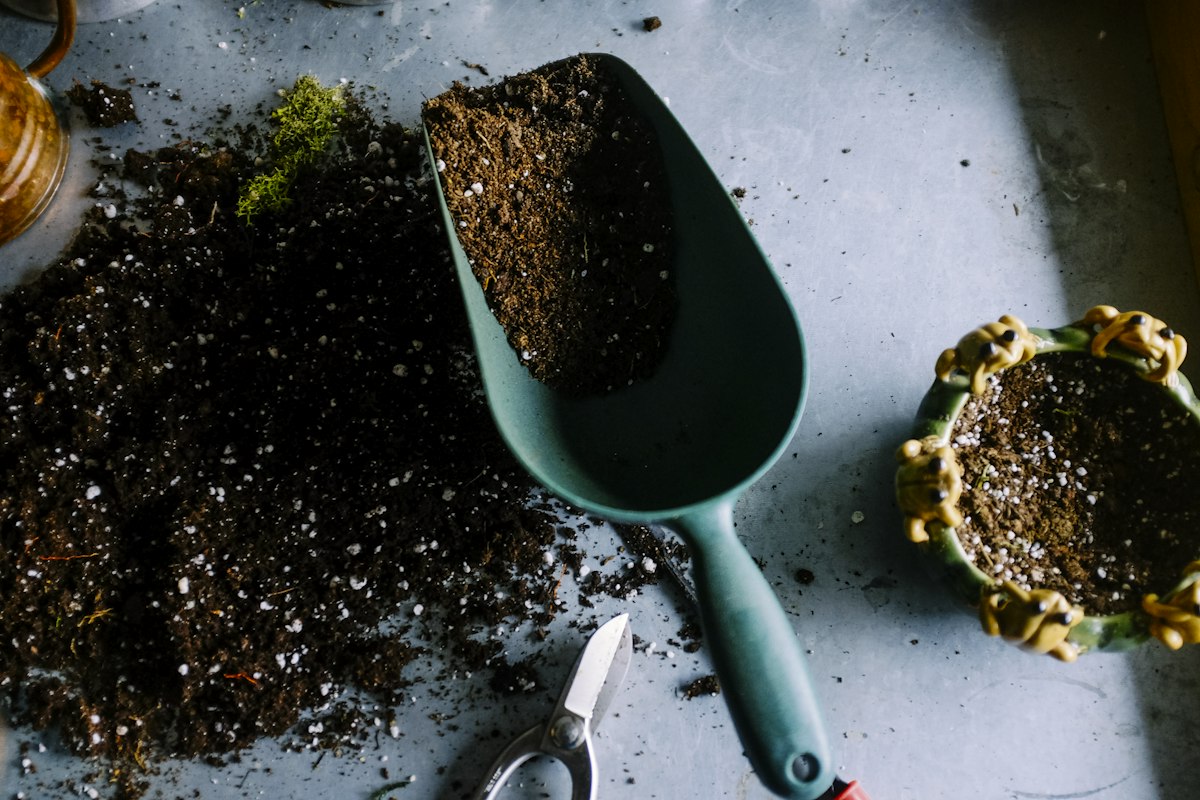
Proper site preparation is crucial for successful establishment. Begin by clearing the planting area of weeds and grass in a circle approximately 1 metre in diameter. Dig a planting hole that's twice the width of the root ball but no deeper than the root ball height – planting too deeply is a common cause of establishment problems.
If planting a bare-root specimen, soak the roots in water for 2-4 hours before planting. For container-grown trees, gently tease out any circling roots to encourage outward growth. Position the tree so that the root flare (where the trunk begins to widen at the base) is level with the surrounding soil surface.
Backfill the hole with the original soil mixed with a small amount of well-rotted organic matter – avoid adding too much compost, as this can create drainage issues and discourage roots from growing beyond the planting hole. Water thoroughly after planting and apply a 5-7cm layer of organic mulch around the base, keeping it clear of the trunk to prevent pest and disease issues.
Staking and Support
Young silver birch trees typically require staking for the first 1-2 years after planting, particularly in exposed locations. Use a single stake positioned on the windward side of the tree, driven into firm ground outside the root ball area. Attach the tree using a flexible tree tie that won't damage the bark, and check regularly to ensure it's not becoming too tight as the tree grows.
Remove stakes as soon as the tree is sufficiently established – usually after one growing season for container-grown trees or two seasons for larger specimens. Leaving stakes in place too long can weaken the tree's natural ability to develop strength and flexibility.
Caring for Your Silver Birch
Watering Requirements
Newly planted silver birch trees require regular watering during their first growing season, particularly during dry periods. Apply approximately 20-30 litres of water per week for young trees, ensuring deep, infrequent watering rather than frequent shallow watering. This encourages deep root development and improves drought tolerance.
Established silver birch trees (over 3 years old) are generally drought-tolerant and rarely require supplemental watering except during prolonged dry periods. However, trees planted in sandy soils or exposed locations may benefit from occasional deep watering during summer droughts.
Fertilisation and Mulching
Silver birch trees typically don't require regular fertilisation when planted in reasonable soil conditions. Over-fertilisation can actually be detrimental, promoting excessive soft growth that's more susceptible to pest and disease problems. If soil tests indicate nutrient deficiencies, apply a balanced, slow-release fertiliser in early spring.
Maintain a 5-7cm layer of organic mulch around the tree base, extending to the drip line if possible. Suitable mulching materials include well-rotted compost, leaf mould, or bark chips. Mulching conserves moisture, suppresses weeds, and gradually improves soil structure as it decomposes. Keep mulch clear of the trunk to prevent pest harbourage and bark damage.
Pruning and Maintenance
Silver birch trees naturally develop an attractive shape with minimal intervention, but some pruning may be beneficial for health and appearance. The best time to prune silver birch is during late autumn or winter when the tree is dormant, as they can "bleed" sap profusely if pruned during the growing season.
Focus on removing dead, damaged, or diseased wood, and any branches that cross or rub against each other. Light thinning of overcrowded areas can improve air circulation and reduce disease risk. Avoid heavy pruning, as silver birch trees don't respond well to severe cutting and may develop numerous weak shoots from cut points.
For mature trees requiring significant work, particularly those protected by Tree Preservation Orders or located in Conservation Areas, always consult a qualified arborist or tree surgeon.
Common Problems and Solutions
Pest Management
Silver birch trees can be affected by several pests, though serious infestations are relatively uncommon in healthy trees. Birch leafminer (Eriocrania sp.) creates distinctive serpentine mines in leaves, typically appearing in late spring. While unsightly, this rarely affects tree health significantly and treatment is usually unnecessary.
Aphids may occasionally colonise young shoots, causing leaf distortion and honeydew production. Natural predators usually control aphid populations effectively, but severe infestations can be managed with insecticidal soap or by encouraging beneficial insects through diverse plantings.
The bronze birch borer can be a serious pest in stressed trees, particularly those growing in unsuitable conditions. Prevention through proper cultural care is the best approach – ensure adequate watering, avoid soil compaction around the root zone, and maintain tree vigour through appropriate mulching and minimal root disturbance.
Disease Prevention
Birch dieback, often associated with Armillaria root rot, can affect trees growing in poorly drained soils or those under stress. Symptoms include crown thinning, branch dieback, and general decline. Prevention involves selecting appropriate planting sites with good drainage and avoiding damage to roots and trunk.
Powdery mildew may occur during warm, humid conditions, appearing as white powdery patches on leaves. This is primarily a cosmetic issue and rarely affects tree health seriously. Ensure good air circulation around trees and avoid overhead watering of foliage.
Birch polypore (Piptoporus betulinus) is a bracket fungus that specifically targets birch species. While it can eventually weaken
trees, it typically affects older or stressed specimens. Regular tree health inspections and prompt removal of any fruiting bodies can help slow progression.
Environmental Stress Factors
Drought stress is perhaps the most common issue affecting silver birch trees, particularly during establishment. Symptoms include wilting, early leaf drop, and branch dieback. Maintain consistent moisture levels during dry periods and ensure mulching extends beyond the canopy drip line.
Salt damage from winter road treatments can cause leaf scorch and branch dieback in trees planted near treated roads or pathways. Select salt-tolerant understory plants and consider protective barriers during winter months if necessary.
Compacted soils around established trees can limit root development and reduce tree vigour. Avoid heavy machinery or foot traffic within the root zone, and consider decompaction treatments if problems develop.
Long-term Growth and Expectations
Silver birch trees are relatively fast-growing, typically adding 30-60cm in height annually during their early years. Growth rates slow as trees mature, but healthy specimens can live 60-80 years or more. Expect your tree to reach 8-10 metres in height within 15-20 years, developing its characteristic white bark coloration during this period.
The tree's growth pattern is naturally pyramidal when young, gradually developing a more rounded crown with age. The distinctive pendulous branches typically become more pronounced as the tree matures, creating the graceful weeping effect that makes silver birch so attractive.
Regular monitoring of tree health becomes increasingly important as birch trees age, as they can become more susceptible to decay fungi and structural issues. Annual inspections by a qualified arborist are recommended for mature specimens, particularly those in prominent locations or near structures.
Companion Planting and Garden Design
Silver birch trees work exceptionally well in naturalistic planting schemes, complementing native shrubs such as hazel, elder, and rowan. The dappled shade they provide creates ideal conditions for woodland ground flora including bluebells, wood anemones, and ferns.
For more formal garden settings, silver birch can serve as elegant specimen trees or be planted in small groves for dramatic effect. Their light canopy allows underplanting with spring bulbs, hostas, and other shade-tolerant perennials.
The tree's winter interest is particularly valuable, with the white bark providing striking contrast against evergreen plantings or snow-covered landscapes. This makes silver birch an excellent choice for four-season gardens where year-round appeal is important.
Frequently Asked Questions
How long does it take for silver birch bark to turn white? Silver birch bark typically begins developing its characteristic white colouration after 8-10 years, becoming fully established by 15-20 years of age. Young trees display bronze or copper-coloured bark that gradually lightens as the tree matures.
Can silver birch trees damage foundations or drains? Silver birch trees have relatively shallow, fibrous root systems that are less likely to cause structural damage than deep-rooted species. However, they should still be planted at least 6-8 metres from buildings and services as a precautionary measure.
How close can I plant silver birch trees together? For single specimen trees, allow 8-10 metres between plantings. For grove effects or informal screening, trees can be planted 4-6 metres apart, though this may require selective thinning as they mature.
Do silver birch trees attract wildlife? Yes, silver birch trees support over 230 species of insects and provide food for numerous bird species. The seeds are particularly valuable for finches and other small birds, while the insects attracted to the tree support various wildlife food chains.
When should I be concerned about birch tree health? Warning signs include extensive leaf yellowing or drop outside of autumn, fungal growths on trunk or branches, significant dieback in the crown, or major changes in growth patterns. Any of these symptoms warrant consultation with a qualified arborist.
Growing silver birch successfully in the UK requires understanding their natural preferences and providing appropriate care during establishment. These magnificent native trees reward proper attention with decades of beauty, wildlife value, and distinctive character that truly embodies the essence of the British landscape.
For complex or high-risk tree work, always consult a qualified arborist rather than attempting the job yourself. Professional tree surgeons carry the right insurance, qualifications and equipment to work safely.
Find a Qualified Tree Surgeon Near You →
Search our free UK directory to find insured, qualified tree surgeons and arborists across the UK. Find the right professional for your trees today.
Comments(0)