How to Plant a Tree UK: Complete Guide
Learn how to plant a tree in the UK with our expert guide. From soil prep to aftercare - ensure your new tree thrives. Start planting today!
Chris

How to Plant a Tree UK: Complete Guide
Planting a tree is one of the most rewarding contributions you can make to the environment, your property, and future generations. Whether you're looking to enhance your garden's aesthetic appeal, create natural privacy screening, or simply contribute to carbon capture, understanding how to plant a tree properly in the UK climate is essential for success.
The process of tree planting involves much more than simply digging a hole and placing a sapling in the ground. From selecting the right species for your location to understanding UK regulations and ensuring proper aftercare, this comprehensive guide will walk you through every step of successful tree planting in Britain.
Understanding UK Climate and Soil Conditions
Before you begin any tree planting project, it's crucial to understand the unique characteristics of the UK's temperate maritime climate. Our relatively mild winters and cool summers, combined with abundant rainfall, create excellent conditions for many tree species, but also present specific challenges.
The UK's soil types vary dramatically across regions, from the clay soils of the Midlands to the sandy soils of East Anglia and the peaty soils of Scotland. Understanding your local soil composition is vital, as different tree species thrive in different soil conditions. Most areas experience soil pH levels between 6.0 and 7.5, which suits the majority of native tree species.

Regional Considerations
Different regions of the UK present unique planting opportunities and challenges. Scotland's cooler temperatures and shorter growing seasons favour hardy species like Scots pine and birch, whilst southern England's milder climate can support a broader range of species, including some that are marginally hardy further north.
Coastal areas must contend with salt spray and strong winds, making species selection particularly important. Inland areas may face different challenges, such as late frosts or summer drought conditions, depending on their specific microclimate.
Legal Requirements and Permissions
Understanding UK tree planting regulations is crucial before you begin. In England, you generally don't need permission to plant trees on your own property, but there are important exceptions and considerations.
Tree Preservation Orders (TPOs)
If you're planting near existing protected trees, ensure your new plantings won't interfere with their root systems or canopy space. Some local authorities have specific requirements about replacement planting when TPO trees are removed.
Conservation Areas
In Conservation Areas, you must give six weeks' notice to your local planning authority before undertaking significant tree work, which may include large-scale planting projects that could alter the area's character.
Wildlife and Countryside Act 1981
This legislation protects nesting birds, meaning you should avoid disturbing potential nesting sites during the breeding season (typically March to August). Plan your planting for autumn or early winter when possible.
Neighbour Considerations
While not legally required, it's courteous and practical to discuss your planting plans with neighbours, especially if trees might eventually overhang boundaries or affect their light.
Choosing the Right Tree Species
Selecting appropriate species is perhaps the most critical decision in your tree planting project. Consider both aesthetic preferences and practical factors such as mature size, growth rate, and maintenance requirements.
Native Species Benefits
Native UK trees offer numerous advantages:
- Better adapted to local climate conditions
- Support indigenous wildlife populations
- Generally require less maintenance once established
- Contribute to local ecosystem biodiversity
Popular native options include:
- Oak (Quercus robur): Long-lived, supports hundreds of insect species
- Silver Birch (Betula pendula): Fast-growing, attractive bark, good for smaller spaces
- Hawthorn (Crataegus monogyna): Excellent wildlife value, spring flowers
- Field Maple (Acer campestre): Good autumn colour, tolerates urban conditions
- Rowan (Sorbus aucuparia): Compact size, attractive berries, mountain ash alternative
Non-Native Considerations
Some well-established non-native species can be excellent choices:
- Norway Maple (Acer platanoides): Hardy, good urban tolerance
- Cherry species (Prunus): Spring blossom, various sizes available
- Sweet Chestnut (Castanea sativa): Long-established, edible nuts
When to Plant Trees in the UK
Timing is crucial for successful tree establishment. The UK's planting season typically runs from November through March, during the tree's dormant period.
Optimal Planting Windows
Best Time: November to February
- Trees are dormant, reducing transplant shock
- Cooler temperatures reduce water stress
- Autumn and winter rainfall helps establishment
Acceptable Time: March to early April
- Before bud break begins
- Still relatively cool temperatures
- Requires more careful watering
Avoid: May through September
- Trees are actively growing
- Higher temperatures increase water stress
- Greater risk of establishment failure
Weather Considerations
Avoid planting during:
- Periods of hard frost when soil is frozen
- Waterlogged conditions
- Strong winds that could damage newly planted trees
- Extended dry spells (if unavoidable, ensure adequate watering)
Essential Tools and Materials
Proper tools make tree planting significantly easier and more successful. Here's what you'll need:
Basic Tools
- Sharp spade or planting spade
- Fork for breaking up compacted soil
- Secateurs for root and branch pruning
- Measuring tape
- Watering can or hosepipe
- Wheelbarrow for transporting materials
Planting Materials
- Tree stake (if required)
- Tree ties (adjustable, not wire)
- Mulch material (bark chips, compost, or leaf mould)
- Tree guard (if pest protection needed)
- Bone meal or mycorrhizal fungi inoculant
Step-by-Step Planting Guide
Site Preparation
Begin by carefully selecting and preparing your planting site. The location should receive appropriate sunlight for your chosen species and have adequate space for the tree's mature size.
- Mark the planting area: Use spray paint or stakes to outline the planting hole
- Check for utilities: Contact relevant authorities to ensure no underground cables or pipes
- Clear vegetation: Remove grass, weeds, and debris from a 1-metre diameter area
- Assess drainage: Dig a test hole to check for waterlogging issues
Digging the Planting Hole
The traditional advice of digging a hole "twice as wide and twice as deep" has been largely superseded by current best practices.
Modern Recommendations:
- Width: 2-3 times the root ball diameter
- Depth: No deeper than the root ball height
- Sides: Slope outwards to prevent root circling
This approach encourages roots to spread laterally rather than staying confined to the planting hole.
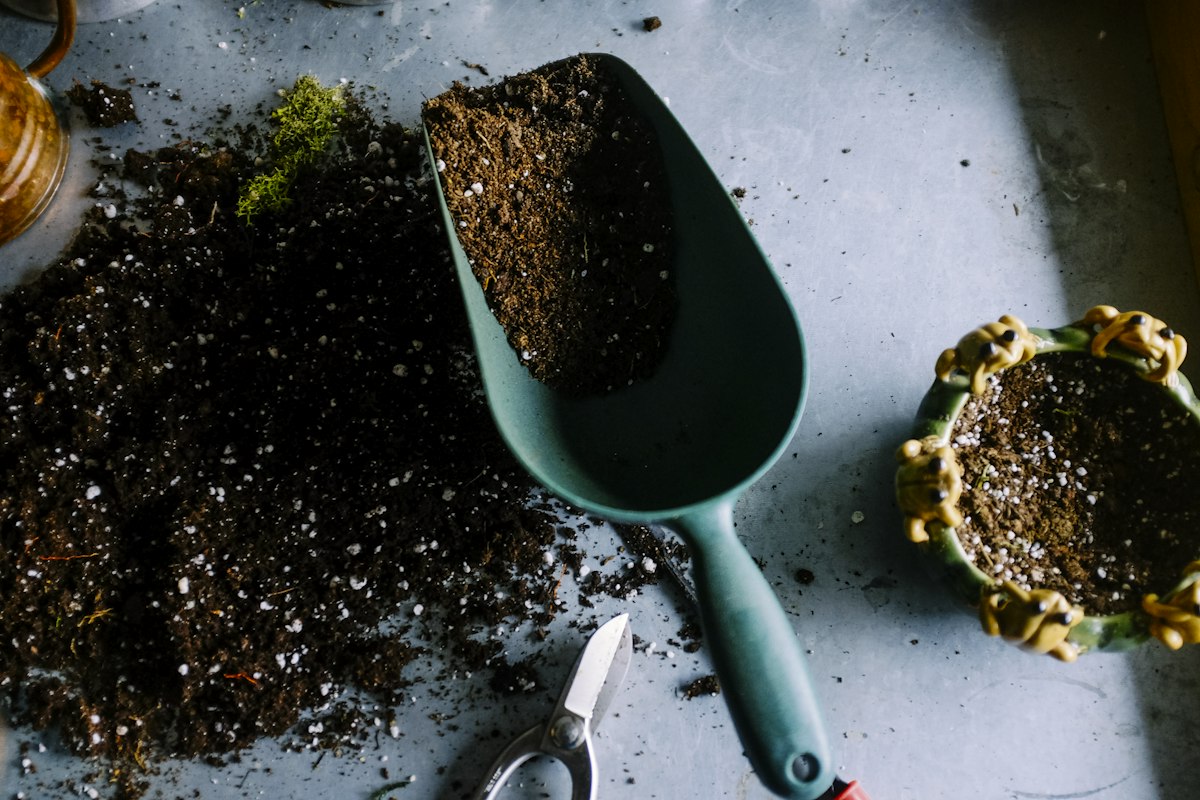
Planting Process
- Prepare the tree: Remove container or burlap, gently tease out circling roots
- Check planting depth: Root collar should be level with or slightly above soil surface
- Position the tree: Place in centre of hole, best side facing desired viewing angle
- Backfill gradually: Use original soil mixed with 10-20% compost, firm gently
- Water thoroughly: Apply 20-30 litres slowly to eliminate air pockets
- Apply mulch: 5-10cm depth, keeping mulch away from trunk base
Staking Requirements
Not all trees require staking. Only stake if:
- Tree height exceeds 2 metres
- Site is particularly windy
- Tree has a small root ball relative to canopy size
When staking:
- Use a single stake for trees under 3 metres
- Position stake on windward side
- Allow some movement - rigid staking weakens trees
- Remove stakes after one growing season
Tree Planting Costs UK 2026
| Service Type | Size/Quantity | Price Range |
|---|---|---|
| DIY Supplies | ||
| Native sapling (40-60cm) | Per tree | £8-£15 |
| Semi-mature tree (1.5-2m) | Per tree | £35-£80 |
| Large specimen tree (2.5-3m) | Per tree | £120-£300 |
| Planting tools (basic set) | One-time purchase | £80-£150 |
| Mulch (bark chips) | Per cubic metre | £45-£65 |
| Tree stakes and ties | Per tree | £12-£25 |
| Professional Services | ||
| Tree supply and planting | Small trees (under 2m) | £85-£150 per tree |
| Tree supply and planting | Semi-mature (2-3m) | £180-£350 per tree |
| Tree supply and planting | Large specimens (3m+) | £400-£800 per tree |
| Site preparation | Per square metre | £15-£25 |
| Aftercare package (2 years) | Per tree | £45-£85 |
| Additional Services | ||
| Soil analysis | Per test | £50-£80 |
| Tree survey and planning | Per hour | £65-£95 |
| Maintenance visit | Per visit | £75-£120 |
Prices include VAT and are based on 2026 UK market rates
Aftercare and Maintenance
Successful tree establishment requires consistent care during the first 2-3 years. This critical period determines whether your tree thrives or merely survives.
Watering Schedule
Year 1: Weekly deep watering during dry spells (April-
September), approximately 20-30 litres per session. Check soil moisture by inserting your finger 5cm into the soil - if dry, water thoroughly.
Year 2: Reduce frequency to fortnightly during dry periods, but increase volume to 30-40 litres per session as the root system expands.
Year 3+: Established trees should cope with natural rainfall, though supplementary watering may be needed during extended drought periods.
Mulching Benefits
Maintain a 5-10cm layer of organic mulch around the tree base, refreshing annually. Benefits include:
- Moisture retention reduces watering needs
- Suppresses competing weeds and grass
- Moderates soil temperature fluctuations
- Gradually improves soil structure as it decomposes
- Protects against mower and strimmer damage
Pruning Requirements
Young trees require minimal pruning beyond removing:
- Dead, damaged, or diseased branches (the three D's)
- Competing leaders on single-stem trees
- Branches growing too low on the trunk
- Any suckers emerging from the base
Avoid heavy pruning during establishment - leaves are essential for photosynthesis and energy production.
Fertilising Guidelines
Most UK soils provide adequate nutrients for tree growth. Over-fertilising can actually harm establishment by encouraging excessive top growth at the expense of root development. If soil tests indicate deficiencies, apply a balanced slow-release fertiliser sparingly in early spring.
Common Mistakes to Avoid
Planting Too Deep
The most common fatal error is planting trees too deeply. The root collar (where trunk meets roots) should be visible at soil level. Deep planting restricts oxygen to roots and can cause stem rot.
Inadequate Site Selection
Failing to consider mature size leads to future problems. A tree that seems small now may eventually overwhelm its space, requiring expensive removal or causing structural damage.
Poor Soil Preparation
Planting in compacted or waterlogged soil without improvement significantly reduces success rates. Always test drainage and improve soil structure where necessary.
Incorrect Staking
Both under-staking and over-staking cause problems. Stakes should provide support without preventing natural trunk movement, which strengthens the tree.
Neglecting Aftercare
Many tree failures occur in years 2-3 when initial enthusiasm wanes. Consistent watering and monitoring remain crucial throughout the establishment period.
Frequently Asked Questions
Q: How deep should I plant my tree? A: Plant so the root collar sits at or slightly above ground level. The planting hole should be no deeper than the height of the root ball to prevent settling and waterlogging.
Q: Can I plant trees in winter? A: Yes, winter is actually the ideal time for tree planting in the UK. November through February offers the best conditions, as trees are dormant and weather is typically cooler and wetter.
Q: Do I need permission to plant trees on my property? A: Generally no permission is required for planting trees on your own land, but check for any restrictive covenants, conservation area requirements, or TPOs that might affect your plans.
Q: How far should trees be planted from buildings? A: As a rule of thumb, plant trees at least half their mature height away from buildings. For large species like oak, this means 15-20 metres minimum. Consider root systems and potential subsidence issues, especially on clay soils.
Q: What's the difference between bare-root and container-grown trees? A: Bare-root trees are cheaper and establish faster but must be planted during dormancy (November-March). Container-grown trees cost more but can be planted year-round with proper aftercare.
Q: How long before my tree is fully established? A: Most trees take 2-3 years to establish strong root systems. However, full maturity varies dramatically by species - some reach maturity in 20-30 years, while oaks may take 60-80 years.
Successfully planting a tree requires careful planning, proper technique, and consistent aftercare, but the long-term benefits to both your property and the environment make the effort worthwhile. By following these guidelines and understanding UK-specific requirements, you'll give your new trees the best possible start in life.
For complex or high-risk tree work, always consult a qualified arborist rather than attempting the job yourself. Professional tree surgeons carry the right insurance, qualifications and equipment to work safely.
Find a Qualified Tree Surgeon Near You →
Search our free UK directory to find insured, qualified tree surgeons and arborists across the UK. Find the right professional for your trees today.
Comments(0)