Tree Aftercare Tips UK 2026
Essential tree aftercare tips UK 2026 from certified arborists. Keep your trees healthy year-round with our expert maintenance guide.
Chris

Tree Aftercare Tips UK 2026: Your Complete Guide to Post-Planting Success
Planting a tree is just the beginning of your journey towards creating a thriving landscape feature that will benefit your property for decades to come. Proper tree aftercare is crucial for ensuring your newly planted trees establish successfully and grow into healthy, mature specimens. In this comprehensive guide, we'll explore everything you need to know about tree aftercare in the UK, from immediate post-planting care to long-term maintenance strategies.
Understanding the importance of proper tree aftercare cannot be overstated. Statistics show that trees receiving appropriate care in their first three years have a survival rate of over 90%, whilst those left to fend for themselves often struggle, with failure rates exceeding 40%. This guide will equip you with the knowledge and practical tips needed to ensure your tree investment flourishes.

Understanding UK Tree Establishment Challenges
The UK's temperate maritime climate presents unique challenges for tree establishment. Our unpredictable weather patterns, from prolonged wet spells to unexpected droughts, can stress newly planted trees. Urban environments add further complications with compacted soils, pollution, and limited root space.
Newly planted trees face several critical challenges during their establishment period. Root shock is perhaps the most significant, occurring when trees lose a substantial portion of their root system during transplantation. This reduces their ability to absorb water and nutrients, making them vulnerable to stress.
Seasonal variations in the UK also impact tree establishment. Trees planted in autumn benefit from natural rainfall and cooler temperatures, allowing root development before spring growth. However, they must survive winter weather. Spring plantings face immediate growing season pressures but have a full growing season to establish before winter dormancy.
Essential Immediate Aftercare Steps
The first few weeks after planting are critical for tree survival. Your immediate aftercare routine should begin the moment your tree is in the ground. Water is the most crucial element – newly planted trees require consistent moisture without waterlogging.
Apply a deep watering immediately after planting, ensuring water penetrates to the root zone. The soil should be moist but not saturated. Check soil moisture regularly by inserting your finger 5-10cm into the soil near the root ball. If it feels dry, it's time to water again.
Mulching provides numerous benefits for newly planted trees. Apply a 5-10cm layer of organic mulch around the tree, extending to the drip line if possible, but keep mulch away from the trunk to prevent pest and disease issues. Good mulching materials include well-rotted compost, bark chips, or leaf mould.
Staking may be necessary for larger trees or those in exposed locations. However, avoid over-staking, which can prevent natural trunk strengthening. Use adjustable ties that won't cut into the bark, and plan to remove stakes within 12-18 months.
Watering Strategies for UK Conditions
Proper watering is an art that requires understanding both your tree's needs and local conditions. In the UK, rainfall patterns vary significantly between regions and seasons, requiring adaptive watering strategies.
During establishment, trees typically need 10-15 litres of water per week, adjusted for rainfall. However, it's better to water deeply and less frequently than to provide frequent shallow watering. Deep watering encourages deep root growth, making trees more drought-tolerant long-term.
Consider installing a drip irrigation system or soaker hose for consistent moisture delivery. These systems provide slow, deep watering that mimics natural rainfall patterns. For single trees, a tree watering bag can provide consistent moisture release over several days.
Monitor weather forecasts and adjust watering accordingly. During wet periods, reduce or eliminate supplemental watering to prevent root rot. Conversely, during dry spells, increase watering frequency whilst maintaining deep watering principles.
Mulching and Soil Management
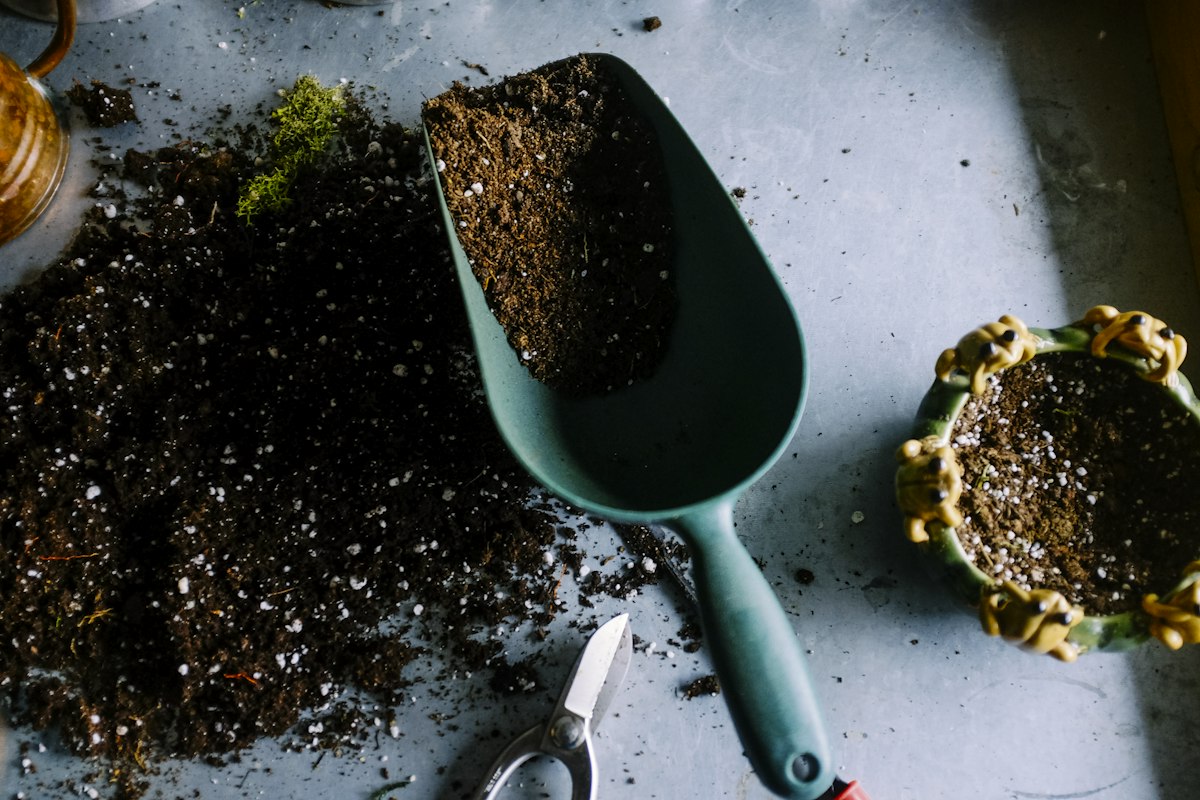
Effective mulching is one of the most beneficial practices for tree aftercare. Beyond moisture retention, mulch moderates soil temperature, suppresses weeds, and gradually improves soil structure as it decomposes.
Choose organic mulches that break down slowly and provide nutrients. Bark chips, wood chips, and composted green waste are excellent choices. Avoid mulches that might blow away or create pest harbourage, such as fresh grass clippings or fine materials.
Maintain a mulch-free zone of 10-15cm around the tree trunk to prevent moisture accumulation that could lead to bark rot or pest problems. This also prevents mulch volcanoes, which can encourage circling roots and bark damage.
Refresh mulch annually, adding material to maintain the 5-10cm depth. As lower layers decompose, they contribute organic matter to the soil, improving structure and fertility around your tree.
Pruning and Structural Training
Early structural pruning sets the foundation for a tree's long-term health and form. However, newly planted trees should receive minimal pruning to avoid additional stress. Focus only on removing dead, damaged, or crossing branches during the first year.
Structural training begins in the second or third year after planting. The goal is to develop a strong central leader and well-spaced scaffold branches. Remove competing leaders and branches that form narrow crotch angles, which are prone to splitting.
Consider the tree's mature form when making pruning decisions. Some species naturally develop multiple trunks or spreading canopies, whilst others maintain strong central leaders. Work with the tree's natural growth pattern rather than against it.
Professional pruning may be advisable for valuable or difficult-to-reach trees. Certified arborists understand species-specific growth patterns and can implement pruning strategies that promote long-term health and structural integrity.
Pest and Disease Monitoring
Regular monitoring for pests and diseases is essential during the establishment period when trees are most vulnerable. Stressed trees are more susceptible to various problems that could compromise their survival.
Common establishment period pests include aphids, which can weaken trees by feeding on sap, and various caterpillars that may defoliate young trees. Scale insects and spider mites can also problematic, particularly in dry conditions or urban environments.
Disease issues often stem from environmental stress or improper care. Root rot from overwatering, leaf spot diseases from overhead watering, and canker diseases from mechanical damage are common problems. Prevention through proper care is far more effective than treatment after problems develop.
Establish a regular monitoring routine, checking trees weekly during the growing season. Look for unusual leaf discolouration, wilting, insect presence, or fungal growth. Early detection allows for prompt intervention and better treatment outcomes.
Seasonal Care Considerations
Tree aftercare requirements vary throughout the year, reflecting seasonal growth patterns and weather conditions. Understanding these variations allows you to provide optimal care year-round.
Spring brings active growth and increased water demands. Monitor soil moisture closely as temperatures rise and growth resumes. This is also prime time for structural pruning before leaves emerge. Apply balanced fertiliser if soil tests indicate deficiencies.
Summer care focuses on water management and pest monitoring. Deep, infrequent watering becomes crucial during dry periods. Watch for drought stress symptoms such as wilting or leaf drop. Maintain mulch levels to conserve moisture and moderate soil temperature.
Autumn preparation involves reducing watering frequency as growth slows and trees enter dormancy. This is an excellent time for planting new trees, as cooler temperatures and increased rainfall support establishment. Continue monitoring for pest and disease issues.
Winter care is generally minimal, focusing on protection from extreme weather. Avoid walking on frozen ground around trees to prevent soil compaction. Remove heavy snow loads from flexible branches to prevent breakage.
Tree Aftercare Service Costs UK 2026
| Service Type | Frequency | Price Range | Notes |
|---|---|---|---|
| Professional Health Assessment | Annual | £75-£150 | Includes basic pest/disease check |
| Structural Pruning (Young Trees) | Every 2-3 years | £150-£350 | Varies by tree size and access |
| Irrigation System Installation | One-time | £200-£500 | For single tree drip system |
| Soil Analysis and Amendment | Annual | £100-£200 | Including pH and nutrient testing |
| Pest and Disease Treatment | As needed | £80-£250 | Depends on extent and treatment type |
| Emergency Storm Damage | Call-out | £150-£400 | Plus additional work costs |
| Fertilisation Programme | Bi-annual | £60-£120 | Organic or synthetic options |
| Mulch Supply and Application | Annual | £80-£180 | Per tree, including materials |
Legal Considerations for Tree Care
Understanding legal requirements is crucial for responsible tree ownership in the UK. Tree Preservation Orders (TPOs) may protect individual trees or groups, requiring council permission for any work including pruning or removal. Contact your local planning authority to check TPO status before undertaking significant tree work.
Conservation Areas often have additional protections, requiring six weeks' notice to the council before carrying out work on trees over certain sizes. Even newly planted trees may eventually fall under these protections, making early structural training important.
The Wildlife and Countryside Act 1981 protects nesting birds, making it illegal to disturb active nests. Plan tree work outside the breeding season (typically March to August) or conduct thorough nest checks before proceeding.
Consider neighbour relationships when caring for boundary trees. Whilst you have the right to prune branches overhanging your property, you must offer cuttings back to the tree owner. Major tree work near boundaries may require neighbour consultation.
Questions to Ask Before Hiring Tree Care Professionals
When seeking professional tree care services, asking the right questions ensures you hire qualified, insured professionals who will provide quality service:
• Are you certified by recognised industry bodies such as the Arboricultural Association or International Society of Arboriculture? • Do you carry full public liability insurance (minimum £2 million) and employers' liability insurance? • Can you provide local references from recent clients with similar tree care needs? • Will you provide a detailed written quote specifying all work to be undertaken? • Do you understand local regulations regarding Tree Preservation Orders and Conservation Area requirements? • What equipment and safety procedures do you follow for tree work? • How do you handle waste removal and site cleanup after completing work? • Are your staff trained in current industry best practices and safety standards? • Can you provide advice on ongoing care requirements after completing the work? • What guarantee or follow-up service do you offer on your work? • Are you familiar with the specific species of tree requiring care? • Do you have experience working in similar environments (urban
, residential, commercial)? • What is your approach to minimising disruption to surrounding landscape and property?
Long-term Tree Health Monitoring
Establishing a long-term monitoring programme ensures your trees remain healthy and productive throughout their lifespan. Regular health assessments should become routine, ideally conducted annually during the dormant season when structural issues are more visible.
Develop a simple record-keeping system documenting growth progress, treatments applied, and any issues observed. Photography can be particularly valuable, providing visual records of structural development and helping identify gradual changes that might otherwise go unnoticed.
Professional tree health assessments every 3-5 years provide expert evaluation of structural integrity, pest and disease resistance, and overall vitality. These assessments can identify potential issues before they become serious problems, often saving significant costs in remedial treatments.
Consider investing in soil testing every few years to monitor nutrient levels and pH changes. Urban environments can be particularly challenging, with soil compaction, salt damage, and pollution affecting tree health over time.
Frequently Asked Questions
How long does it take for a newly planted tree to establish? Most trees require 2-3 years to fully establish their root systems, though this varies by species and planting conditions. During this period, trees remain vulnerable to stress and require careful aftercare.
When should I remove tree stakes? Stakes should typically be removed within 12-18 months after planting. Check that the tree can stand upright without support before removal, but avoid leaving stakes too long as they can prevent natural trunk strengthening.
How often should I water newly planted trees? Water deeply 1-2 times per week during dry periods, providing 10-15 litres depending on tree size and weather conditions. Always check soil moisture before watering to avoid overwatering.
What's the best time of year to plant trees in the UK? Autumn (October-December) is generally optimal, allowing trees to establish roots before spring growth. Spring planting (March-May) is also suitable but requires more intensive watering during the establishment period.
Should I fertilise newly planted trees? Avoid fertilising for the first year unless soil tests indicate severe deficiencies. Focus on proper watering and mulching instead, as excess fertiliser can stress newly planted trees.
Proper tree aftercare is an investment in your landscape's future, ensuring your trees develop into healthy, long-lived assets that enhance your property for generations. By following these guidelines and remaining attentive to your trees' changing needs, you'll maximise their survival chances and long-term vitality.
For professional tree care in your area, always choose a qualified arborist with the right insurance and credentials. A professional assessment can identify issues early and keep your trees healthy for years to come.
Find a Tree Surgeon Near You →
Search our free UK directory to find insured, qualified tree surgeons and arborists across the UK. Compare local specialists and find the right professional for your trees today.
Comments(0)